
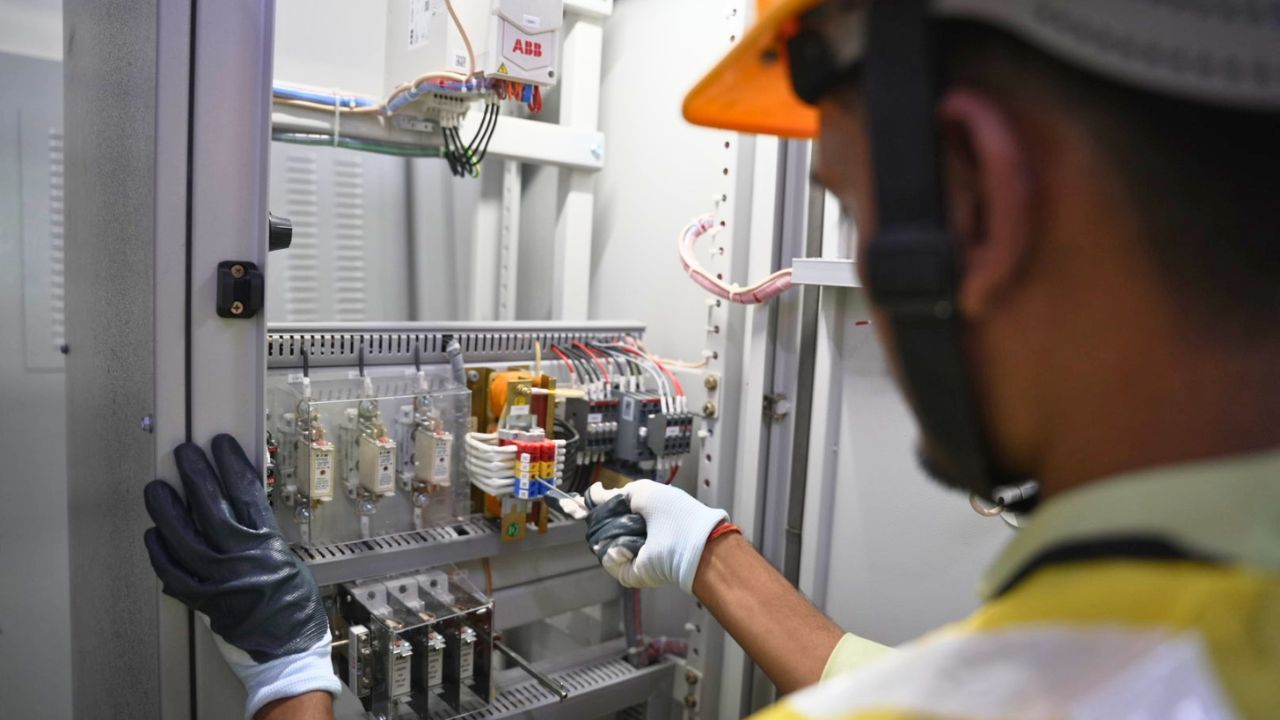

VFDs provide precise control over motor speed and torque, enabling equipment to operate more efficiently while reducing energy consumption and mechanical stress. As motors account for a significant portion of industrial electricity usage, optimizing motor performance can generate substantial cost savings.
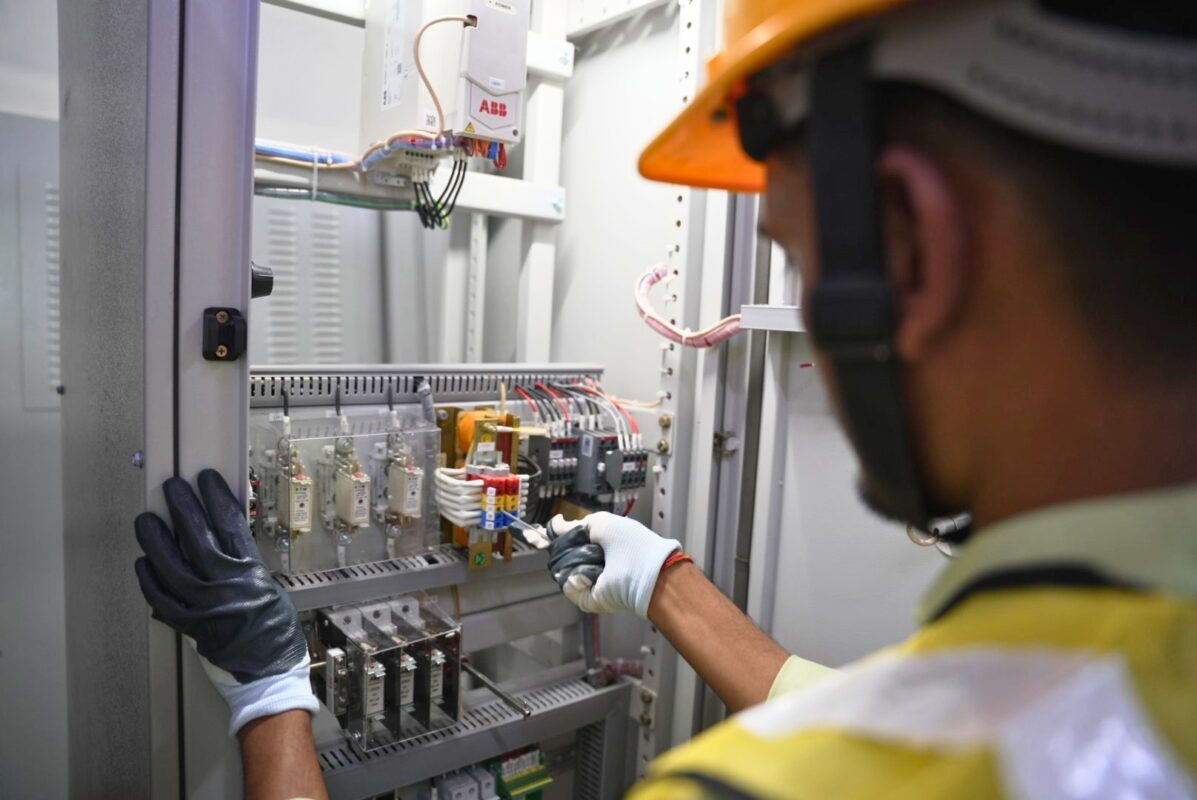
What is a Variable Frequency Drive?
A Variable Frequency Drive is an electronic device that controls the speed of an electric motor by adjusting the frequency and voltage supplied to the motor.
Unlike traditional motor starters that operate at full speed regardless of process demand, VFDs allow motors to run only at the speed required for a specific application.
Why Energy Efficiency Matters
Industrial facilities consume large amounts of electricity to power pumps, fans, compressors, conveyors, and other motor-driven equipment.
In many applications, motors operate below maximum capacity for much of their lifecycle. Running motors at full speed during low-demand conditions results in unnecessary energy consumption and increased operating costs.
VFDs solve this problem by matching motor speed to actual process requirements.
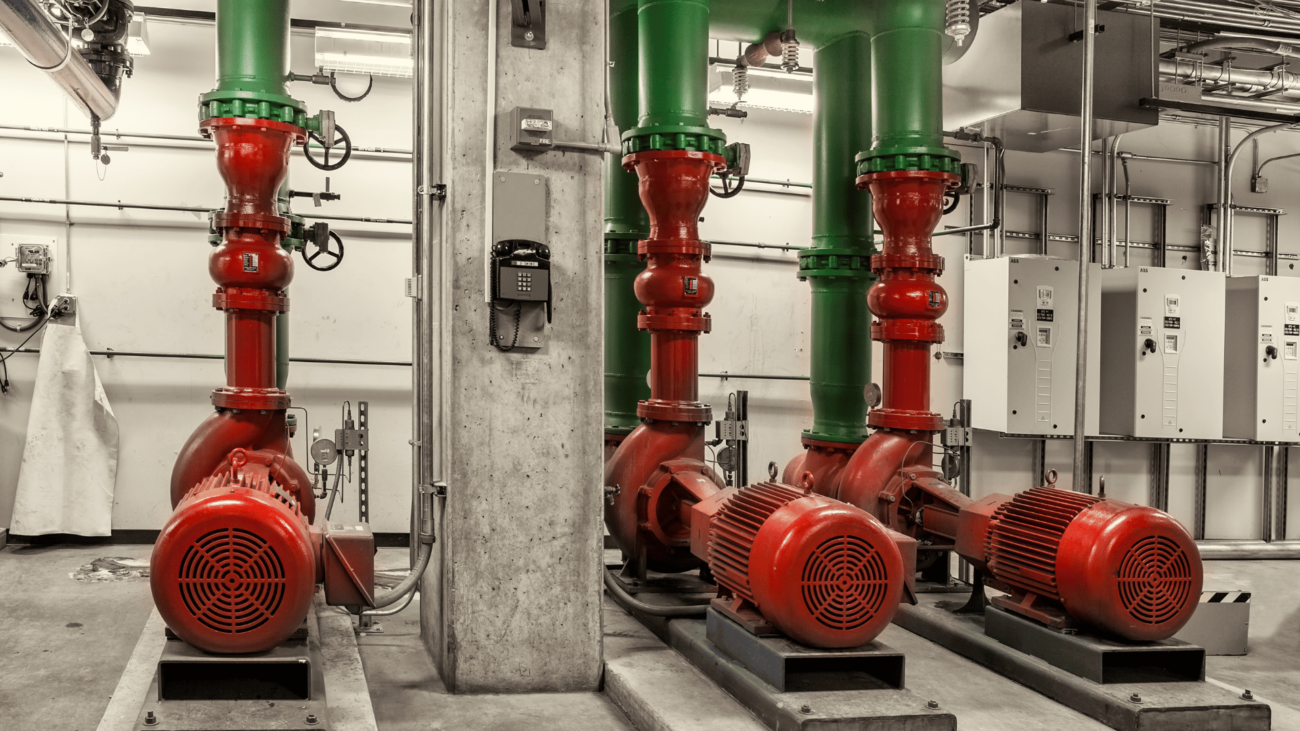
Significant Energy Savings
The greatest advantage of VFD technology is energy reduction. Small decreases in motor speed can result in substantial reductions in power consumption.
For applications such as pumps and fans, reducing speed by even a small percentage can generate significant energy savings due to the relationship between speed and power consumption.
Many facilities achieve energy savings ranging from 20% to 50% after implementing VFD solutions.
Reduced Mechanical Wear
Traditional motor starting methods often create mechanical stress during startup and shutdown cycles. Sudden acceleration can damage equipment and increase maintenance requirements.
VFDs provide smooth acceleration and deceleration, reducing wear on motors, bearings, belts, and mechanical components.
Improved Process Control
Precise speed regulation allows operators to optimize production processes and maintain consistent performance.
Applications such as conveyors, mixers, packaging machines, and process equipment benefit from greater control and improved operational accuracy.
Lower Maintenance Costs
Reduced mechanical stress and improved operating conditions contribute to longer equipment life and lower maintenance expenses.
Organizations often experience fewer breakdowns, reduced spare parts consumption, and improved asset reliability.
Common VFD Applications
VFDs are widely used in:
- Pumps
- Fans
- Compressors
- Conveyors
- HVAC Systems
- Crushers
- Packaging Machinery
- Material Handling Equipment
Supporting Sustainability Goals
Many organizations are implementing sustainability initiatives to reduce carbon emissions and improve environmental performance.
By lowering electricity consumption, VFDs help facilities reduce their environmental footprint while achieving energy efficiency objectives.
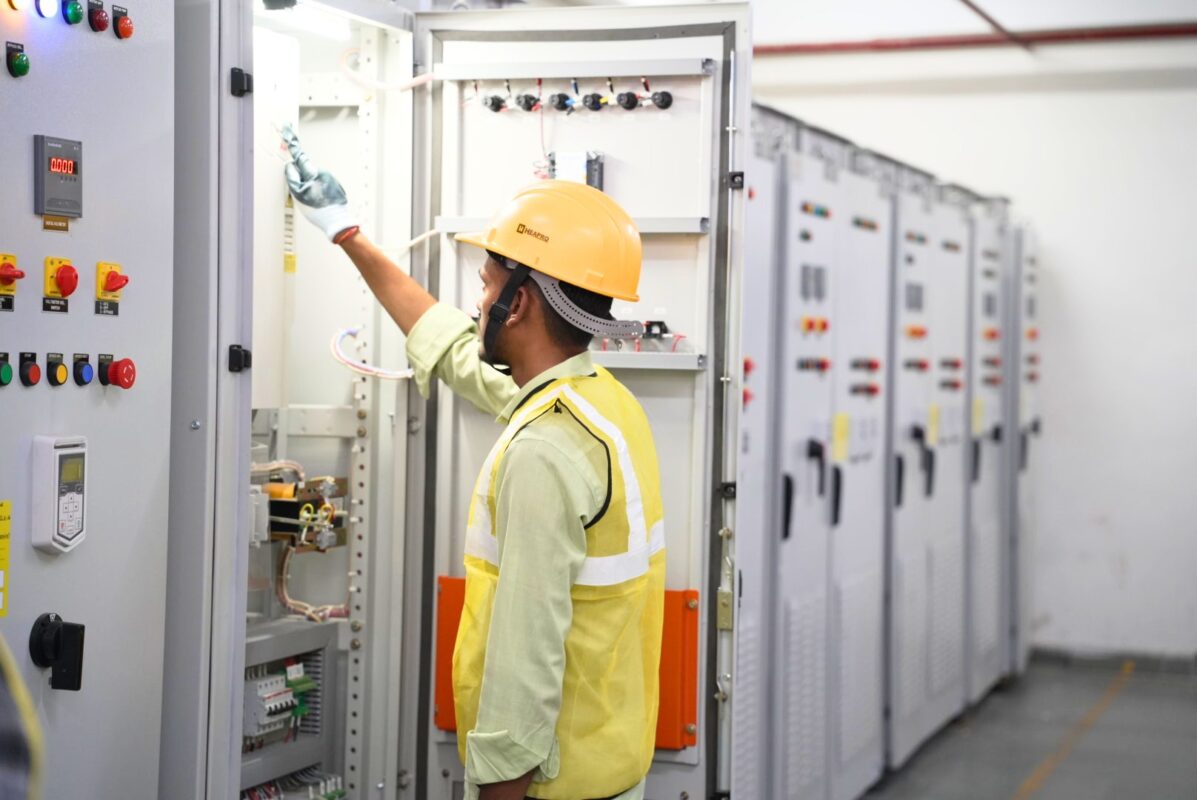
Return on Investment
The financial benefits of VFD implementation often result in rapid payback periods. Energy savings, maintenance reductions, and productivity improvements frequently allow organizations to recover their investment within a relatively short timeframe.
Conclusion
Variable Frequency Drives have become an essential technology for industries seeking to improve efficiency, reduce costs, and enhance operational performance. Their ability to optimize motor operation, reduce energy consumption, and improve equipment reliability makes them a valuable investment for virtually any industrial facility.
At Rhythm Automation, we provide advanced VFD solutions and engineering expertise to help organizations maximize efficiency, improve process performance, and achieve long-term operational success.